How to prevent frozen pipes in Columbus winters

Practical steps to protect your plumbing from freezing temperatures, from insulation to leaving taps dripping on the coldest nights.
Columbus winters can drop well below freezing, and frozen pipes are one of the most common plumbing emergencies we respond to. A frozen pipe that bursts can flood your home in minutes. The good news is that most frozen pipe damage is preventable with a few simple steps.
Insulate exposed pipes
Any plumbing in unheated spaces — basements, crawl spaces, garages, and exterior walls — should be insulated with foam pipe sleeves. These foam tubes are inexpensive and snap right onto the pipe. Pay attention to pipes near exterior walls and in corners where cold air settles.
Seal gaps and drafts
Check for gaps around pipes where they enter your home. Cold air can flow through these openings and freeze nearby pipes. Use expanding foam or caulk to seal any gaps you find. Also check your basement or crawlspace for drafts and block them.
Let faucets drip on the coldest nights
When temperatures drop into the teens or below, let faucets served by exposed pipes drip slightly. Moving water is much harder to freeze, and the drip relieves pressure in the system so that even if a pipe does freeze, it is less likely to burst.
Keep your thermostat consistent
Do not turn your heating down dramatically at night or when you leave for work during cold snaps. Keep your home at least 55 degrees, even when you are away. The cost of heating is far less than the cost of a burst pipe cleanup.
Open cabinet doors
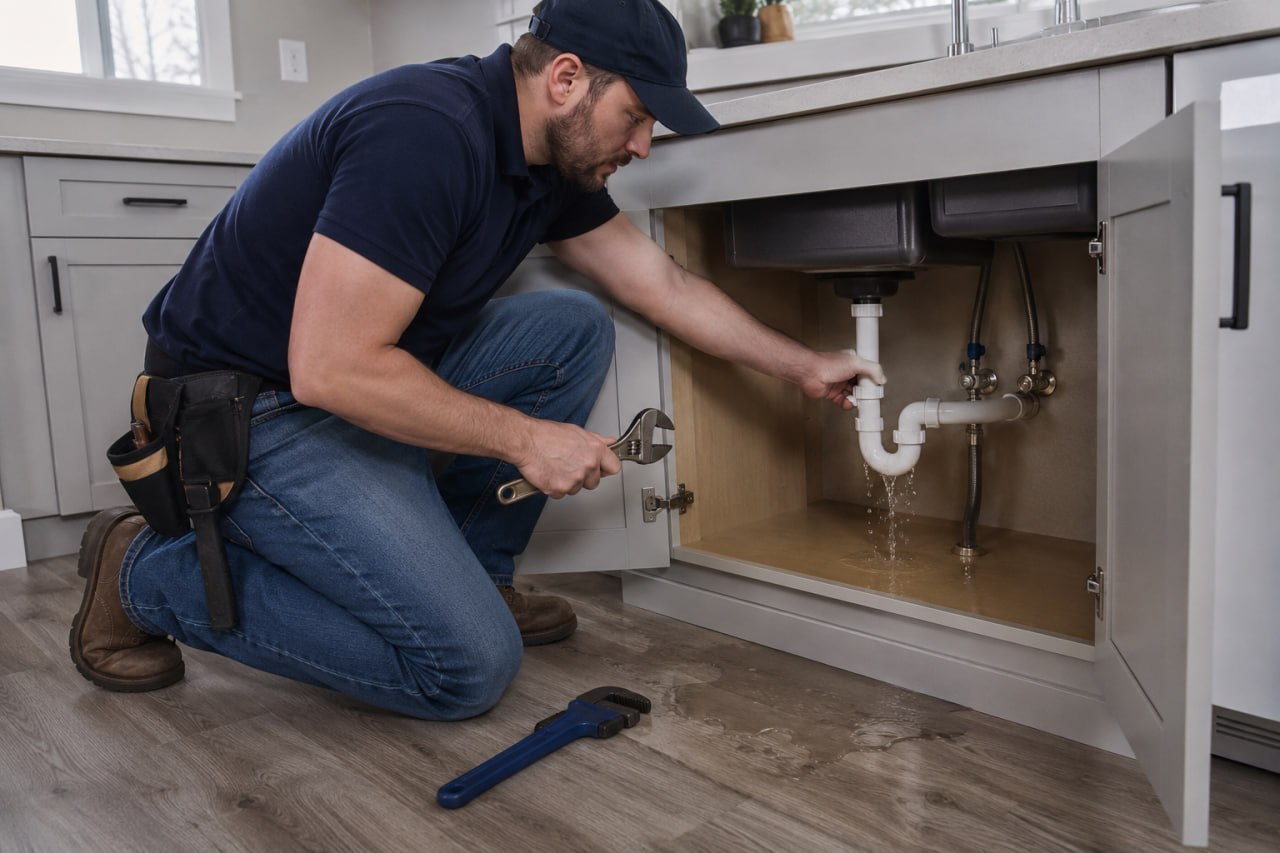
Pipes under kitchen and bathroom sinks are often against exterior walls. Open the cabinet doors on cold nights so warm air can circulate around the plumbing. This is especially important if those walls face north.
Know where your main shut-off is
If a pipe does freeze or burst, the first thing you need to do is shut off the water. Make sure every adult in the house knows where the main shut-off valve is and how to turn it. If you have a burst pipe, call a plumber immediately — the longer water flows, the more damage it does.
When to call a professional
If you turn on a faucet and nothing comes out, or you see frost on a pipe, do not wait. Turn off the main water supply and call a plumber. We can safely thaw the pipe and check for damage before it becomes a flood.
Bayshore Plumbing Services
Columbus & Central Ohio